
Introduction: Why EV Training Matters for Professionals
The electric vehicle (EV) industry is reshaping global mobility. India is expected to witness 50 million EVs on the road by 2030, supported by strong government policies and private investments.
For working professionals, this means:
- Career advancement opportunities in EV companies.
- Reskilling needs to stay relevant in a changing job market.
- Entrepreneurship opportunities in EV charging, retrofitting, or battery recycling.
Naturally, many are asking:
“Should I choose an online EV training course or attend offline classes?”
The answer depends on your goals, time availability, and career stage. Let’s explore.
Understanding EV Training Formats
What is Online EV Training?
Delivered via digital platforms with video lectures, live sessions, assignments, and simulation tools. Some institutes (like DIYguru eMobility Academy) even ship hardware kits to learners for practice at home.
What is Offline EV Training?
Held in physical classrooms or labs, where learners directly interact with EV batteries, motors, powertrains, and charging stations.
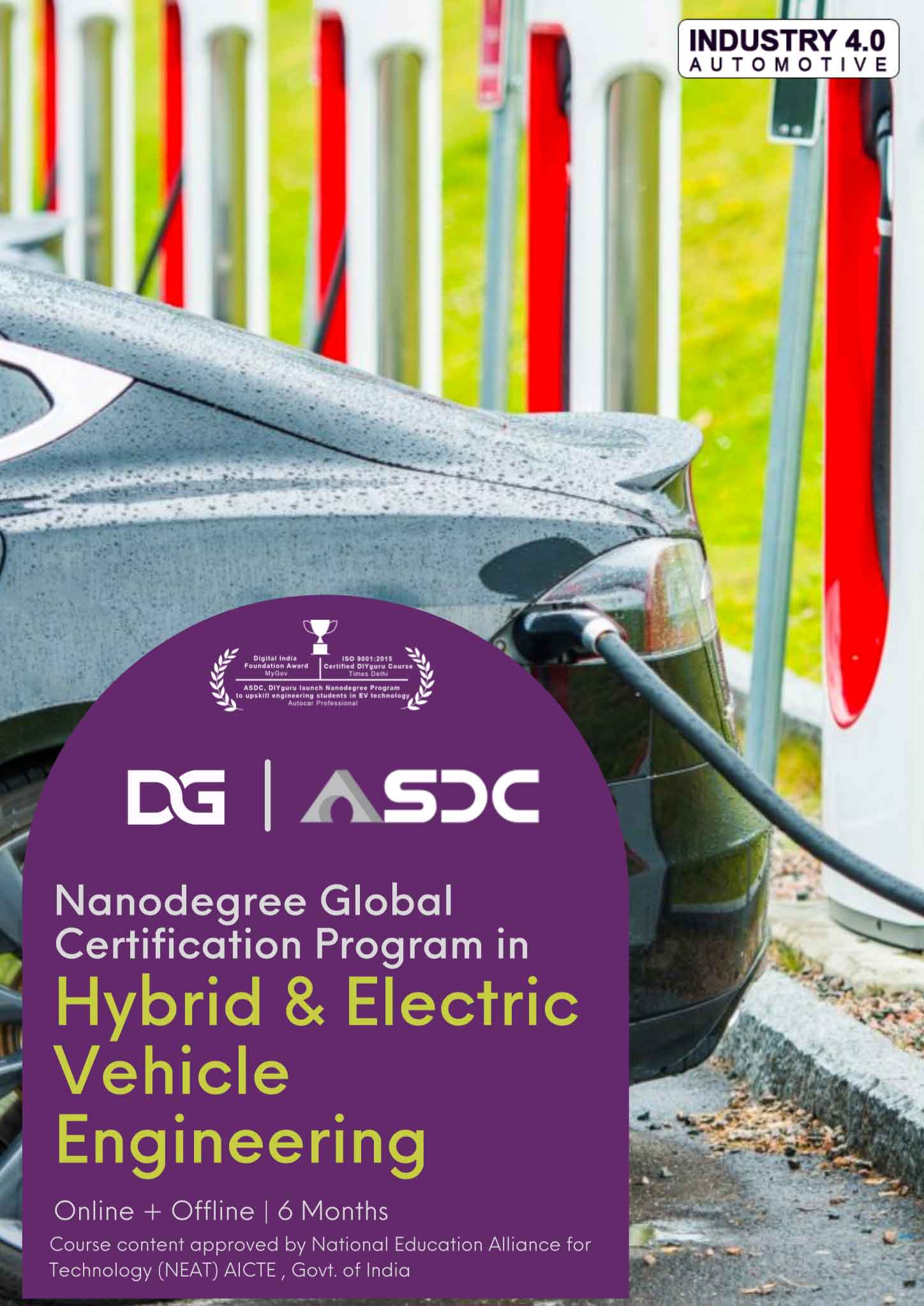
The Rise of Hybrid EV Training Models
The most popular format today is hybrid training:
- Online → Theory (battery design, EV fundamentals, simulations).
- Offline → Practical workshops (hardware labs, retrofitting exercises).
- Placement → Dedicated career support (like DIYguru eMobility Academy’s emobility.careers portal).
This makes hybrid EV training the ideal choice for working professionals.
Pros and Cons of Online EV Training
Advantages
- Flexibility: Learn after office hours or weekends.
- Accessibility: No need to relocate; available nationwide.
- Affordability: Cheaper than offline programs.
- Global Reach: Access to courses from IITs, global universities, and edtech platforms.
Disadvantages
- Hands-On Limitations: Working on EV components online is challenging.
- Networking Gaps: Limited peer-to-peer and mentor interaction.
- Motivation Issues: Requires self-discipline to complete.
Pros and Cons of Offline EV Training
Advantages
- Real Hardware Access: Battery packs, BMS, charging units, motors.
- Industry Exposure: Factory visits, internships, guest lectures.
- Peer Collaboration: In-person interaction enhances networking.
Disadvantages
- Time-Consuming: Daily/weekly physical attendance required.
- Geographical Barriers: Best EV training centres are in metros.
- Higher Costs: Infrastructure, travel, and accommodation increase expenses.
Hybrid EV Training: The Best of Both Worlds
How Hybrid Learning Works
Institutes like DIYguru eMobility Academy combine:
- Online modules for theory.
- Offline labs (COE centres, hardware kits, workshops).
- Placement engine for job support.
Why It Suits Working Professionals
- Study theory flexibly online.
- Attend weekend or short-term offline workshops.
- Get career placement support while continuing your job.
This blended model solves the key challenge of time + skills + jobs.
Key Skills Covered in EV Training Programs
- Battery Management Systems (BMS): Charging, safety, diagnostics.
- EV Powertrain & Motors: Controllers, inverters, propulsion.
- Charging Infrastructure: AC/DC fast charging, smart grid integration.
- Embedded Systems & IoT: AUTOSAR, ADAS, telematics.
- Safety Standards: ISO 26262, AIS/BIS compliance.
City-Wise Breakdown: EV Training Near You
Delhi NCR
- Online: IIT Delhi NPTEL modules (theory).
- Offline: EV technician workshops at ITIs.
- Hybrid: DIYguru eMobility Academy (HQ in Gurugram) – combines labs, kits, and placement.
Best for policy exposure + OEM placements.
Bangalore
- Online: Global Coursera EV certifications.
- Offline: Local startup-led EV workshops.
- Hybrid: DIYguru eMobility Academy – AI, IoT, EV software-focused programs.
Best for EV startups + R&D careers.
Chennai
- Online: NPTEL EV powertrain modules.
- Offline: Auto-manufacturing linked programs (Hyundai, Nissan).
- Hybrid: DIYguru eMobility Academy – technician training + powertrain design workshops.
Best for manufacturing + auto OEM roles.
Hyderabad
- Online: IIT Roorkee smart charging NPTEL module.
- Offline: Electronics and BMS-focused short courses.
- Hybrid: DIYguru eMobility Academy – charging infra & battery specialization.
Best for electronics + charging jobs.
Pune
- Online: Self-paced EV courses from IITs.
- Offline: Regional institutes, mostly technician courses.
- Hybrid: DIYguru eMobility Academy – delivers hardware kits + offline workshops.
Best for automotive design and OEM placements.
Mumbai
- Online: Coursera EV entrepreneurship certifications.
- Offline: Private workshops, fleet-oriented programs.
- Hybrid: DIYguru eMobility Academy – entrepreneurship & startup-focused EV programs.
Best for EV business and fleet opportunities.
Case Studies of Working Professionals
Case 1: Online Learner
Amit, an IT professional in Pune, completed Coursera’s EV specialization. He gained knowledge but struggled with practical exposure. He later added a hybrid course from DIYguru eMobility Academy, which helped him land a role in EV charging infra management.
Case 2: Offline Learner
Shreya, a mechanical engineer from Chennai, attended offline EV labs. While she gained strong hands-on exposure, she lacked flexibility and missed job interviews due to rigid class timings. She later enrolled in hybrid programs for better balance.
Case 3: Hybrid Learner
Rohit, an electronics engineer in Bangalore, joined DIYguru eMobility Academy’s Hybrid PG Program in EV Design. He completed theory online, attended weekend labs, and got placement via emobility.careers. Today, he works with Bosch EV R&D earning ₹11 LPA.
Salary Comparison: Online vs Offline vs Hybrid
| Format | Strengths | Weaknesses | Average Salary Outcomes |
|---|---|---|---|
| Online Only | Flexible, affordable, accessible | Limited labs, no placement | ₹4 – ₹6 LPA |
| Offline Only | Full labs, peer learning | Time-consuming, location-limited | ₹5 – ₹8 LPA |
| Hybrid (DIYguru eMobility Academy) | Balanced, flexible + labs + placement | Mid-range cost | ₹7 – ₹15 LPA |
Hybrid learners consistently earn higher salaries due to well-rounded skills + placements.
Extended FAQs About Online vs Offline EV Training
Q1: Which is better for working professionals – online or offline EV training?
Hybrid EV training is the best fit.
Q2: Can I do EV training while working full-time?
Yes, hybrid courses like DIYguru eMobility Academy allow flexibility.
Q3: Do online EV courses provide jobs?
Rarely. Only hybrid platforms provide placement support.
Q4: Which cities are best for EV training offline?
Delhi, Bangalore, Chennai, Hyderabad, Pune, Mumbai.
Q5: How much do hybrid EV courses cost?
₹75,000 – ₹2,00,000 depending on duration and specialization.
Q6: Is hybrid training globally recognized?
Yes. DIYguru eMobility Academy partners with IITs, AICTE, and global companies.
Q7: Can non-engineers join EV courses?
Yes, technician programs exist for ITI and diploma holders.
Q8: Do hybrid EV courses cover entrepreneurship?
Yes, especially in Mumbai and Bangalore centres.
Conclusion: Choosing the Right EV Training Format for Your Future
For working professionals, the right EV training format must combine:
- Flexibility (online).
- Hands-on skills (offline labs).
- Career growth (placement support).
That’s why Hybrid EV Training from DIYguru eMobility Academy is the best solution. It provides:
- Online theory for flexibility.
- Offline workshops for hands-on practice.
- Career support via emobility.careers.
This makes it possible for professionals to upskill without quitting jobs, ensuring a future-ready career in the EV industry.


Why Choose DIY Course
 Course work & interactions are 100% online.
Study at the time and place that suits you.
24/7 access to course material.
Learn from world-class experts in their field.


0 responses on "EV Training Online vs Offline: What Works Best for Working Professionals?"