

Hybrid Electric Vehicle Nanodegree Placement Assured Program

Start your journey as a Electric Vehicle Engineer in specialised domains of Battery Modelling, Charging Infrastructure, Motor Optimisation, xEV Product Development & Design Engineering. Get mentored by industry leaders and subject matter experts through personalised and timely doubt resolution sessions.

Online + Hands on Training

Format

6 Months + 3 Months (Internship)

(Recommended 6-8 hrs/week)

May 1, 2023

Start Date

78+

Hiring Partners

5000+

DIYguru Alumni Base

About the Electric Vehicle Nanodegree Program

Master Hybrid Electric Vehicle Product Development & Design Engineering from AICTE & ASDC, Govt. of India, the apex body for awarding certification in Automotive Industry. Get personalised student support, timely doubt resolution and much more from DIYguru.

India's only Online + Offline (Hardware Enabled) Training Program impanelled by AICTE, Govt. of India
Internship + 360 Career Guidance & Mentorship Support with Placement Assistance upto two years.
Networking with DIYguru & ASDC 120+ Corporate Clients & Alumni Base

Opportunity to work on 10+ Live Projects & Case Studies in Retrofitting, Modelling and Simulation of lithium cell parameter & H Bridge Motor controller using Matlab

Receive 1:1 Career Counselling Sessions, Mock Interviews and Resume Building support from our career coaches.

Be a part of the 5000+ Electric Vehicle professionals community from DIYguru & ASDC.

Programme Overview

Key Highlights

Certification from Govt. of India, apex body of Automobile Skilling, ASDC.
 
Specialise in key R&D domains of 2 & 4 Wheeler Electric Vehicles.
 
Top rated teaching faculty and instructors from Industry & Academia.
 
Timely doubt resolution and discussion forums

Learn while you earn through 100% online format

Work on more than 10+ Live Projects (Online & Offline)

Placement assistance by DIYguru & ASDC.
 
Support available all days 9 AM – 9 PM IST for queries


Syllabus

Best-in-class content by leading faculty and industry leaders made with feedback from Bosch, Hyundai, Greaves Cotton and approved by AICTE, All India Council for Technical Education, Govt. of India in the form of live lectures, recorded videos, case studies and projects.

Course Objective

Make Participants more employable in rising Electric Vehicle Industry.

Prepare participants to match up demand and supply gap with the industry 4.0 revolution.

Bridge the gap between conventional methods of learning and application-based method of learning.

To empower participants with the skills to face future E-Mobility challenges.

Programme Outcomes

Mid-Trainee (GETs)  Design and Engineering professionals will be able to upskill themselves on the Electric Vehicle End to End Product Development aspects + gain a holistic perspective on both the functions with hands-on knowledge of latest tools and technology.

Students at the start of their career after graduation will be able to kick-off their Electric Vehicle Industry experience with jobs & Internships in EV related Design & Manufacturing Industry.

Who Is This Programme For?


Automotive enthusiasts (No academic qualification mandatory) working in industries such as Automotive, Auto component, Design, Manufacturing, etc.

Working in Functional areas such as R&D, Analysis, Maintenance, Projects, component design, etc.

Students from Engineering background looking to get a job opportunity in Electric Vehicle Startups, OEMs and Industries.

Candidates Interested in pursuing further studies on the part-time or full-time basis in Automotive, Electrical, Electronics, and Mechanics sector.

Minimum Eligibility

Graduates from a recognized University/College in any discipline of Engineering 

Students pursuing the final year of Engineering can also apply

BUNDLED 18 COURSES INCLUDED + LIVE SESSIONS + 10 INDUSTRY PROJECTS + DOUBT SESSIONS + CAREER GUIDANCE

UNIQUE FEATURES OF THE PLACEMENT ASSURED PROGRAM

Full training & placement support till you get hired! || 18+ courses! || Offline EV Nanodegree and Technician training programs || No course expiry | Uninterrupted access to DIYguru Maker’s space || Full equipment support 24×7 during & after the training as well || Post-placement support || Unlimited access to workshops and training until the right employment is achieved!

COURSES COVERED IN THIS PROGRAM (SYLLABUS)

Course 1

ELECTRIC VEHICLE FUNDAMENTAL COURSE (FUTURE MOBILITY)

DIYguru presents a certification program on Fundamentals of Electric Vehicle Engineering. This program provides you with the most flexible learning environment possible. The course tends to equip participants with multidisciplinary expertise and increase the practical exposure with the tools and functioning of the Electric vehicle via small workshop prototypes.

ELECTRIC VEHICLE FUNDAMENTAL COURSE (FUTURE MOBILITY)

10 lessons - 4 hours
View Course

Fundamental (Electrical)

Introduction


Welcome


Electric Vehicle Industry Overview


Introduction to Electric Vehicle


Introduction to Electric Vehicle Industry


Flow Chart for Designing an Electric Vehicle

History of Electric Vehicle

Pre-requisite


Are Mass and Weight the same thing?


Distance & Displacement Explained


Uniform & Non Uniform Motion


What is Velocity


What is Acceleration


What is Force Part 1


What is Force Part 2


What is Friction?


What is Rolling Friction?


Factors Affecting Friction


Converting Between English and Metric Units


Calculating the Electrical Unknowns of a DC Series Circuit


Calculating the Electrical Unknowns of a DC Parallel Circuit


Explaining the Relationship of an Electromagnetic Field


Analyzing Time-Series Data for Distance, Speed, and Acceleration


Describing Continuously Variable Transmission Operation


Identifying Hybrid Electric Vehicle Components :


FA 1.1

Design Phase


How Do All-Electric Cars Work?


Assumptions


Design Phase


Design Phase Part 2

Motors


Motors


Basics of Motors


More about Electrical Machines


Types of Motors


DC Motor


BLDC Motor


BLDC Out Runner Motor – Construction


BLDC Out Runner Motor – Working


BLDC In Runner Motor


Description Part 1


Description Part 2


Description Part 3


Induction Motor


PMSM Motor – Introduction


PMSM Motor – Working


PMSM Motor – Advantages and Disadvantages


FA 1.2

Batteries


Battery Fundamentals


EV Batteries


Types of Batteries


Battery Calculation Part 1


Battery Calculation Part 2


Battery Calculation – Final Steps


Battery Management System – Introduction


Battery Management Device


FA 1.3

Converter, Inverter, Controls and Controllers


Motor Controllers – Introduction


Motor Controller – Explanation


Converters, Inverters, and Controls


Electronics Part 1


Electronics Part 2


Charging Equipment


Working with Boolean Algebra and Number Systems – 1


Working with Boolean Algebra and Number Systems – 2


Describing Inverter Functions in Electric and Hybrid Vehicles


Working Safely on Electric and Hybrid Electric Vehicle Components


FA 1.4

Assignment


SA 1 (20 Marks)

Fundamental (Mechanical)


Course 2

FUNDAMENTALS OF VEHICLE DYNAMICS

The modelling approaches and characteristics of the vehicle, tire and driver model with the respect to handling and driving dynamics are summarized in the program. The important research issues about the vehicle-pavement coupled dynamics are discussed in detail.

FUNDAMENTALS OF VEHICLE DYNAMICS

6 lessons - 12 hours
View Course

An overview of Pre-Requisites for the Course


Introduction to Vehicle Dynamics


Bit of Physics


Fundamentals of Linear Algebra


Vector Algebra and 3D Geometry


FA 2.1

Automotive Components


Power Train


Suspension System


Steering System


FA 2.2

Loads


Forces


Linear Forces


Linear External Forces


Weight & Weight Distribution


Load & Load Distribution


FA 2.3

Vehicle Dynamics


Vehicle


Introduction to Quater Car Model


Kinematics of the Model


Longitudinal Dynamics


Lateral Dynamics


Unpredictable Steering


FA 2.4

Suspension System


Independent Suspension System


Suspension System Components


Mc Pherson Strut


Double Wishbone


Trailing Arm & Semi – Trailing Arm


Three Link Trailing Arm


FA 2.5

Suspension Geometry


Caster Angle


Camber Angle


Toe


King Pin Inclination


Pneumatic Trail and Mechanical Trail


Roll Center and Roll Rate


FA 2.6


Suspension Geometry – Overall View


Bump and Droop Consideration


Four Bar Mechanism and I center


Roll Center Design and Geometry


Roll Moment and Roll Moment Calculation


Jacking Force and Roll Center Connection


Ride Rate


Overview of Suspension Behaviour


Anti Dive and Anti Squat


Why we need Anti Dive and Anti Squat


Damping Ratio and Damping Constant


Lateral Slip Angle and Cornering Forces


FA 2.7

Miscellaneous


How to read Tyre


Motion Variables


Quarter Car Model


Introduction – Acceleration & Breaking


Ford Vehicle Dynamics


Torque Vectoring Control


Focus on Aerodynamics


Ferrari Vehicle Dynamics


Vehicle Dynamics Control

Modelling & Simulation (Reference Books)


Modelling & Simulation (Reference Books)

Assignment


SA 2.1 (30 Marks)


SA 2.2 (30 Marks)

Certification


Stay in Touch


What’s Next


Tasks to Get Started

Course 3

FUNDAMENTALS OF AUTOMOBILE ENGINEERING

This program is for beginners in the Automotive field, where you will be able to understand and have a fair knowledge about the working of an automobile. Along with that, DIYguru in collaboration with Make In India initiative to promote the Automotive sector in India brings you this unique opportunity to explore various opportunities available in the Automotive Industry.

FUNDAMENTALS OF AUTOMOBILE ENGINEERING

9 lessons - 8 hours
View Course

Your Current Standing


FAE1.1 Course Introduction


FAE1.2 Make in India Diary – Auto Industry Overview


FAE1.3 – Make in India : Daimler


FAE1.4 : Make In India – BMW


FAE1.5 : Make In India – Ashok Leyland


FAE1.6 The Government Policies of Make in India : Next 5 Yrs.


FAE1.7 India’s Auto Components Sector


FAE1.8 Meet a Maker: Mercedes-Benz


FAE1.9 Make in India – Scania


FAE1.10 Make in India – Volvo


FAE1.11 Make in India – ZF


FAE1.12 Hero Moto Corp


Check your Automobile Knowledge

Getting Started


FAE2.1 History of Automobiles


FAE2.2 : Automobile Industries In India


FAE2.3 : Automotive Industry In India

Chassis / Rollcage


FAE3.1 Importance and Development of Chassis

Tyres & Wheels


FAE4.1 : Intro to Wheels & Tyres


FAE4.2 Wheels Explained


FAE4.3 Tyre Nomenclature & How to Read Your Tyres


Quiz 1

Engines


HMW1.1 – How Do Car Engines Work?


EE1.1 Car Engines


LNE2.9 – Petrol (Gasoline) Engine vs Diesel Engine


EE1.2. Gasoline Vs. Diesel Explained


LNE2.12 – Diesel Engine, How it works ?


EE1.3. Two Strokes Engine Explained


EE1.4. Engines Layouts – Explained (V6, 16, V8, W12)


EE1.5. Rotary Engines


EE1.6. Horsepower Vs. Torque


EE1.7. Compression Ratio


EE10.8 F1 Engines Explained


EE1.8. Octane Rating Explained


Engine – Innovation


Diesel Engines : Innovation


QUIZ 2

Clutches


FAE6.1 How Clutches Works?


EE3.2 : Clutches


EE3.3 Multi-Plate Clutches

Transmission


LNE2.4 – Automatic vs Manual Transmission


LNE2.8 – Automatic Transmission, How it works ?


LNE2.6 – Manual Transmission, How it works ?


E4.5 : Continuously Variable Transmission


Videos : Steering Explained


Quiz 3

Revision to Basic Concepts


AACC1 – Car Engines


AACC2 : Camshaft & Valve


AACC3: Turbocharger & Supercharger


AACC4 : Car Electrics


AACC5 : Car Electronics


AACC6: Steering & Suspension


AACC7 : Car Differential


AACC8: Brakes


AACC9 : Car Engine Lubrication


AACC10 : Engine Cooling System

Suspension


Why is suspension necessary in automobiles?


AACC : How Suspension Works ?


Quiz 4(Revision+Suspension)

Study Materials


AACC : Study Materials

Certification


Assignment


Files Part-1

Course 4

Fundamentals of Power Electronics

The course deals with the basics of Electrical and Electronic concepts, components etc. The analytical calculation for motors, types of motors and power electronic devices like MOSFET, Thyristors, DC-DC Converters etc.

Fundamentals of Electrical Machines and Power Electronics

43 lessons - 24:11 hours
View Course

Course 5

Electric Bike & Four Wheeler Design Course using Solidworks

DIYguru presents the Course on Electric Bike & Four Wheeler Design Course using SolidWorks. You will be learning how make 3D models, 2D engineering drawing, assembly, animation, and high-quality 2-Wheeler and 4-Wheeler Electric Vehicle in SolidWorks.

Electric Bike & Four Wheeler Design Course using Solidworks

5 lessons - 20 hours
View Course

Soliworks E Bike design


Solidworks Product Trial


Introduction to Solidworks


Two Wheeler Chassis Part 1


3. Two wheeler chassis part 2


4. Rear shock absorber part 1


5. Rear shock absorber part 2


6. Rear shock absorber part 3


7. Swing arm scooter


8. Two wheeler tyre


9. Two wheeler alloy wheel


10. Front suspension Scooter


11. Disc brake rotor Scooter


12. Hub motor part 1


13. Hub motor part 2


14. Hub motor part 3


15. Motor controller scooter


16. Handle bar scooter


17. Scooter Assembly part 1


18. Scooter Assembly part 2


19-Front Panel Scooter


20. Scooter Headlight


21.Front mudguard


22.Middle body panel part1


23.Middle body panel part 2


24.Rear body panel scooter


25.Taillight


26.Swing arm panel


27.Modified taillight


28.Editing scooter mask


29.Final assembly scooter

Solidworks Electric Vehicle Design


Geometric Dimensioning and Tolerancing


1. Car chassis part 1


2. Car chassis part 2


3. Car chassis part 3


4. Car tyre part 1


5. Car tyre part 2


6. Car brake rotor


7. Steering Knuckle part 1


8. Steering Knuckle part 2


9. Steering Knuckle part 3


10. Front Suspension Macpharson part 1


11. Front Suspension Macpharson part 2


12. Lower control arm part 1


13. Lower control arm part 2


14. Torsion Beam part 1


15. Torsion Beam part 2


16. Powertrain part 1


17. Powertrain part 2


18. Half shaft part 1


19. Half shaft part 2


20. Steering assembly


21. Rack bar


22. Steering boot


23. Tie rod


24. Tie rod end


25. Pinion shaft


26. Steering column upper


27. Steering Column lower


28. Car assembly part 1


29. Car assembly part 2


30. Car assembly part 3


31. Car assembly part 4


32. Car assembly part 5


33. Car assembly part 6


34. Car assembly part 7


35. Monocoque part 1


36. Monocoque part 2


37. Monocoque part 3


38-Front side Fenders


39-Front bonet


40-Front bumper part 1


41-Front door panel


42-Rear door panel


43-car roof


44-Exploded view and final rendering


Sprocket chain


Module1:Quiz1

Solidworks for Formula SAE


SDBJ3 : Customizing SolidWorks for BAJA


SDFS2 – Modeling an FSAE Frame


SDFS3 – 3D Content Central SolidWorks Models for FSAE


SDFS4 :FSAE Steering Assembly with Edit Component


SDFS5 : FSAE Design Analysis Apps Intro to FEA


SDFS6 : SimulationXpress Sheet Metal Bracket


SDFS7 : Stress Analysis of FSAE Spindle Upright SolidWorks Simulation


SDFS8 : FSAE Tires and Wheels


Module 2: Quiz1


SDFS9 : FSAE Tutorial Frame drawing cutlist flat pattern


SDFS10 : Analyzing a Frame in SolidWorks Simulation


SDFS11 : Modeling an FSAE Frame


SDFS13 : Modeling a FSAE Frame Part 2


SDFS14 : Creating Molds for FSAE Parts


SDFS15 : Fatigue Analysis on a FSAE Hub


SDFS16 : Design Optimization of a Formula SAE Hub


SDFS17 : Modeling a Formula SAE Suspension Spring


SDFS18 : Using PhotoView 360 to Render FSAE Parts


SDFS19 : Using SolidWorks Motion for Formula SAE


SDFS20 : Tips and Tricks for Formula SAE Students


SDFS21 : Surfacing to Create FSAE Body Work – Part 1


SDFS22 : Surfacing to Create FSAE Body Work – Part 2


SDFS23 : How to Model a Formula SAE Exhaust in SolidWorks


SDFS24 : SAE Thermal Stress


SDFS25 : SAE Intake Internal Flow


SDFS25 : SAE Intake Internal Flow


SDFS26 : SAE Mold Tutorial


SDFS27 : SAE Frame Analysis


Optimization in Solid Works


Roll Cage Design (CAD)


Roll Cage Design (CAD) – FSAE


Basics of SolidWorks- Part 2 Introduction to 3D modeling


Applying Weldments in Solid Works


Suspension Solidworks Model


Solidworks Simulation- Static structural analysis of hub.


Module 2: Quiz 2

Solidworks for BAJA SAE


SDBJ1 : BAJA – Frame & Weldments


SDBJ2 : Large Assembly Tips and Tricks


SDBJ3 : Customizing SolidWorks for BAJA

Certification


Assignment


Files Part-1

Course 6

BMS – BATTERY MANAGEMENT SYSTEM CERTIFICATION COURSE

The ongoing transformation of battery technology has prompted many newcomers to learn about designing battery management systems. This course provides a beginner’s guide to the battery management system (BMS) architecture, discusses the major functional blocks and explains the importance of each block to the battery management system.

BMS – BATTERY MANAGEMENT SYSTEM CERTIFICATION COURSE

12 lessons - 6 hours
View Course

Course 7

Finite Element Analysis using ANSYS (FEA / FEM)

You’ll practice using a common solution approach to problems involving different physics: structural mechanics, fluid dynamics and heat transfer. We’ll solve textbook examples to understand the fundamental principles of finite-element analysis and computational fluid dynamics. Then we’ll apply these principles to simulate real-world examples

Finite Element Analysis using ANSYS (FEA / FEM)

5 lessons - 10 hours
View Course


Introduction


Download Link


Overview


Applications


Ansys Workbench


Mechanical Overview


Unit System

Mechanical Basics


Basic Analysis Procedure


Mechanical Interface Overview


Menus- View


PRACTICE SESSION – 10


PRACTICE SESSION – 11


PRACTICE SESSION – 12


PRACTICE SESSION – 13


PRACTICE SESSION – 14


PRACTICE SESSION – 15


PRACTICE SESSION – 16


PRACTICE SESSION – 17


PRACTICE SESSION – 18

General Preprocessing


PRACTICE SESSION – 001


PRACTICE SESSION – 002


PRACTICE SESSION – 003


PRACTICE SESSION – 004


PRACTICE SESSION – 005


PRACTICE SESSION – 019

Meshing in Mechanical


PRACTICE SESSION – 001


PRACTICE SESSION – 002


PRACTICE SESSION – 003


PRACTICE SESSION – 004

Static Structural Analysis


PRACTICE SESSION – 005


PRACTICE SESSION – 006


PRACTICE SESSION – 007


PRACTICE SESSION – 008


PRACTICE SESSION – 009


PRACTICE SESSION – 010


PRACTICE SESSION – 011


PRACTICE SESSION – 012


PRACTICE SESSION – 013


PRACTICE SESSION – 14


PRACTICE SESSION – 015

Modelling Connections


PRACTICE SESSION – 016


PRACTICE SESSION – 017


PRACTICE SESSION – 018


PRACTICE SESSION – 19


PRACTICE SESSION – 20


PRACTICE SESSION – 21


PRACTICE SESSION – 22


PRACTICE SESSION – 23


PRACTICE SESSION – 24


PRACTICE SESSION – 25

Remote Boundary Conditions


PRACTICE SESSION – 26


PRACTICE SESSION – 27


PRACTICE SESSION – 28


PRACTICE SESSION – 29


PRACTICE SESSION – 30


PRACTICE SESSION – 31


PRACTICE SESSION – 32


PRACTICE SESSION – 33

Multistep Analysis


PRACTICE SESSION – 34


PRACTICE SESSION – 35


PRACTICE SESSION – 36


PRACTICE SESSION – 37


PRACTICE SESSION – 38


PRACTICE SESSION – 39

Vibration Analysis


PRACTICE SESSION – 40


PRACTICE SESSION – 41


PRACTICE SESSION – 42


PRACTICE SESSION – 43


PRACTICE SESSION – 44


PRACTICE SESSION – 45

Thermal Analysis


PRACTICE SESSION – 46


PRACTICE SESSION – 47


PRACTICE SESSION – 48


PRACTICE SESSION – 49


PRACTICE SESSION – 50


PRACTICE SESSION – 51


PRACTICE SESSION – 52

Results and Postprocessing


PRACTICE SESSION – 53


PRACTICE SESSION – 54


PRACTICE SESSION – 55


PRACTICE SESSION – 56


PRACTICE SESSION – 57


PRACTICE SESSION – 58


PRACTICE SESSION – 59


PRACTICE SESSION – 60


PRACTICE SESSION – 61


PRACTICE SESSION – 62


PRACTICE SESSION – 63


PRACTICE SESSION – 64

CAD Parameters


PRACTICE SESSION – 65


PRACTICE SESSION – 66


PRACTICE SESSION – 67


PRACTICE SESSION – 68

Training Exercise Files

Training Exercise Files

Software Download & License

Course 8

Modelling and Simulation of Motor & Battery using Matlab

Matlab -PWM Signal generation -Delay and response -Sizing of switches depending on motor specification. SOC Estimation -Degradation -MATLAB -Filter methodologies

Modelling and Simulation of Motor & Battery using Matlab

43 lessons - 24:11 hours
View Course

Course 9

Electric Vehicle Diagnosis (Repair & Maintainance)

The major end to end life cycle of an automotive vehicle depends on the proper diagnosis of the vehicle. This course covers the fundamentals and basics of vehicle diagnosis on an industrial level.

Electric Vehicle Diagnosis (Repair & Maintainance)

43 lessons - 24:11 hours
View Course

Course 10

Electric Vehicle Charging Infrastructures

The course will cover the existing infractures and standards used in the Indian/Global scenario of Electric Vehicle charging. This will also include the different levels and types of AC DC charging, the different types of connectors used and the rules and regulations for charging infrastructure.

Electric Vehicle Charging Infrastructures

43 lessons - 24:11 hours
View Course

Course 11

Design of EV Using MATLAB

This program is designed in such a way that it covers all the basic components involved in designing a electric vehicle and to model it in MATLAB/Simulink.

Design of EV Using MATLAB

43 lessons - 24:11 hours
View Course

Course 12

Basics of Electrical Engineering for Electric Vehicle

This Basic understanding of EV is mainly designed for those who are very new to the world of Electrical Engineering. Specially designed for Mechanical Engineers, but anyone can choose this course to clear their fundamentals. This course covers all the basic electrical prerequisite knowledge for this newly emerging field.

Basic of Electrical Engineering for Electric Vehicle

43 lessons - 24:11 hours
View Course

Course 13

Battery Pack Modelling

In this course, we’ll take a look at Fundamentals of battery pack design and look at what a battery pack is, what it does and we’ll also explore the individual components that typically make up a battery pack. This program is designed in such a way that every upcoming week one module is uploaded.

Battery Pack Modelling

43 lessons - 24:11 hours
View Course

Course 14

Automotive Embedded Systems

A Clear Outline of Current Methods for Designing and Implementing Automotive Systems Highlighting requirements, technologies, and business models, the Automotive Embedded Systems Courseprovides a comprehensive overview of existing and future automotive electronic systems

Automotive Embedded Systems

43 lessons - 24:11 hours
View Course

Course 15

Python Programming Language

The purpose of these walk-throughs is to give mechanical engineers a vision of how they can use Python in their own area of expertise and understand the scope of what is possible, whether for business or academia. As you walk through the showcase projects in this series you’ll also learn some of the different modes of writing and using python in an engineering environment. This program is designed in such a way that on every upcoming week one module is uploaded.

Python Programming Language for Mechanical & Electrical Engineers

43 lessons - 24:11 hours
View Course

Course 16

Data Analytics in Electric Vehicle

To understand and work on essential libraries of data analysis. To understand and work on the concepts of data wrangling, data filtering, data cleaning, data transformation, shaping, combining, plotting, and aggregation. To work with practical examples and understand all major functions you require to analyze data. To combine the knowledge of python with data analysis and utilizing the python data structures to understand and manipulate data. to make your work and understand the visualization libraries, with the aim to report and present the analyzed data more efficiently.

Data Analytics in Electric Vehicle

43 lessons - 24:11 hours
View Course

WHAT & HOW will you learn?


STEP 1: Introduction to PYTHON and Data Analysis

In this course, students will be introduced to the python programming language and the concept of data analysis. How data analysis has become one of the most important skills for students in different areas. How data analysis and Python, is useful in every domain, ranging from mathematics to physics, from computer science to electrical engineers. Every second company works with data, and so, requires, professionals, who can understand their data and can play with them! This course will bring out the understanding and motivation to start a career in data analysis using python.

Know More …


STEP 2: Basics of PYTHON

This course will focus on the basics of the python language. Since python is currently the most used language for data analysis, it is essential to cover all basics of python language. This course will start from level zero and will take students to the level, where students could program independently and implement the concept of variables, user inputs, loops, error handling, operations, conditionals, functions, and statements. Students will be working on the number of assignments and develop smart programs. The focus will be to bring confidence among students, to upskill themselves to higher python programming expertise.

Know More …


STEP 3: PYTHON Intermediate- Data Structures

Working with python basics will give students to flexibility to upskill and upgrade their python knowledge to a higher level. This will give you more understanding of analyzing and manipulation data with python concepts in more detail. This course will take the student’s expertise to the next level, where students would be able with more advanced examples and more sophisticated concepts. The students will work on essential concepts of strings, file systems, lists, dictionaries, and tuples. Moreover, the students will work with a large number of examples and will be given numerous tasks and assignments. These courses will enable students to analyze and work with apparently endless data! students will be able to work independently over a large number of sophisticated applications. These data structures will build a strong foundation for the ideal start of data analytics.

Know More …


STEP 4: PYTHON Advanced

The course on advanced python will enable students to be ideal candidates for python developer profiles. This course will help students to think beyond the commonly used algorithms and concepts. Students will be able to work on topics, such that, they could retrieve and process databases right from the web! Students will work, extract, and access the data from the web APIs. In order to access different data forms, students will be taught the art of ‘regular expressions’ so as to define their own formula to retrieve the text from the thousands of data lines over any website. Students will work on different protocols and will implement their learning ver different web data formats. Students will be introduced the concept of OOPs programming in python and SQL.

Know More …


STEP 5: Data Analytics Basic: Numpy and Introduction to Pandas

With the perfect knowledge in the python programming language, here comes the perfect time to make the transition into the domain of data analytics. The beginning of the course will enable students to recollect and revise the previously learned python structures, necessary to begin with data analytics. One of the most important libraries to be able to understand data is the library Numpy. Understanding data in the form of arrays and accessing them and manipulating them in array form will give you the foundation to learn higher-level libraries incoming courses. This course will focus on giving students that essential foundation. The students will then dive into the heart of analysis! The pandas! Students will cover the concepts of series, data frames, and performing essential operations and manipulations indexing, filtering, sorting, correlating arithmetic, and so on.

Know More …


STEP 6: Data Analytics Intermediate

In this course, students will work more extensively on analyzing data.students will work on the main areas of data loading, cleaning, preparation, data wrangling, transforming data, and data aggregation. The actual analysis comes here! Students will work on numerous examples, and will continuously work on random datasets to see how each function is applicable. This course will cover the actual analysis of datasets and will be able to apply the functions and algorithms in any possible manner based on their requirements. Finally, students will cover the concept of ‘time-series’ enabling students to analyze stuff in different terms of time intervals.

Know More …


STEP 7: Data Visualization

This course will give students the kickstart! A push to dive into the world of visualizations. Certainly, this course will be the easiest of all, as the actual analysis has been previously done in the past courses. Students will learn, how to report and present their results with the use of graphs and charts. The most fundamental library ‘matplotlib’ will be the main library we will focus on here. Students will then be introduced to the ‘seaborn’ library, easing out the visualization tasks. Students will work on different graph types of line plot, histogram, density plot, scatter, bar plots, and point plots. Since matplotlib and seaborn have limited usage, students will be introduced with the more advanced and interactive library of ‘plotly’, where students will work on more interactive visualization methods. From there, students are free to explore more on their own … a perfect ending!

Know More …

Course 17

Electric Vehicle System Modelling & Analysis using ALTAIR

Get free access to ALTAIR Softwares used for EV Modelling and Simulation via our partnerships on the technology front. When used early in the design process, simulation empowers a broad exploration of design solutions that are high-performing, manufacturable, and sustainable.

Electric Vehicle System Modelling & Analysis using ALTAIR

43 lessons - 24:11 hours
View Course

Simulation-driven Design

Get free access to ALTAIR Softwares used for EV Modelling and Simulation via our partnerships on the technology front. When used early in the design process, simulation empowers a broad exploration of design solutions that are high-performing, manufacturable, and sustainable.

Altair® Inspire™

Accelerate simulation-driven design
When used early in the design process, Inspire empowers the users to create designs that achieve better performance and manufacturability by offering a single intuitive user experience to simulate, explore, develop, and optimize products. A unique set of simulation tools ensure production efficiency and optimize material usage for many manufacturing processes.

Altair® HyperWorks™

Driving more design with simulation
The new HyperWorks experience enables teams to move efficiently from physics to physics, domain to domain, and even create reports without leaving a model. It delivers the next generation of market-leading Altair® HyperMesh®, Altair® HyperGraph®, and Altair® HyperView® functionality to the analyst’s desktop.

Altair® SimLab™

Multiphysics workflows with CAD associativity
SimLab provides highly automated workflows to drastically reduce the time spent creating finite element models and interpreting results for product engineers across multiple physics including structural analysis, thermal management, and fluid dynamics.

Altair® SimSolid™

Structural analysis for rapid design iterations
SimSolid enables customers to accurately test more ideas during each design iteration by performing structural analysis on fully featured CAD assemblies within minutes. It delivers game-changing solution times while eliminating geometry preparation and meshing.

Altair Material Data Center, a high-fidelity material database for simulation

 Learn More

A History of Solving the Most Challenging Problems

Altairians are compelled by curiosity and a deep desire to look beyond the horizon for new insights, ideas, and possibilities, to drive the engineering innovations of the future.​​


Altair® OptiStruct™

Optimization-enabled structural analysis
For more than two decades, OptiStruct topology optimization has driven the lightweight and structurally efficient designs of products you see and use every day. Introduced in 1994, OptiStruct solves both linear and nonlinear problems using an enhanced proprietary version of NASTRAN and a modern proprietary nonlinear formulation developed and maintained by Altair.

Altair® Radioss™

Product performance under dynamic loadings
For more than 30 years, Radioss has been an industry leader for automotive crash and safety, shock and impact analysis, drop test, terminal ballistic, blast and explosion effects, and high-velocity impacts. Radioss is a powerful multiphysics solver with optimization-ready integrations with other Altair tools and third-party solutions.

Altair® Feko®

Solving connectivity, compatibility, and radar challenges
Feko has been a leader in high-frequency electromagnetic simulation for more than 20 years and provides parallelized solvers to design products for an increasingly connected world, enabling teams to optimize wireless connectivity, including 5G, ensure electromagnetic compatibility (EMC), and perform radar cross section (RCS) and scattering analysis.

Altair® DesignAI™

Cloud native, transformative, AI- and simulation-driven design
Altair DesignAI transforms engineering decision-making by combining physics-based simulation-driven design and machine learning-based AI-powered design to create high-potential designs earlier in development cycles. Augment product development practices with AI technology to explore a broader population of customer pleasing, high performing, meaningful, and manufacturable new product design alternatives.

Course 18

ELECTRICAL MACHINES ONLINE TRAINING

In this course you will learn the basics in Electrical Training that include- Stating what is an accident, the probable causes and safe attitude during it, Rescuing a person who is in contact with a live wire, Understanding the general safety of Tools and Equipment, Describing electricity, conductor, insulator, voltage, current, resistance

ELECTRICAL MACHINES ONLINE TRAINING

43 lessons - 24:11 hours
View Course

Course 19

Electric Vehicle Powertrain SyStem Integration

This course offers a detailed technical explanation with design considerations of the EV powertrain components and system integration and how they work together, also how they compare to the internal combustion engine in value.

Electric Vehicle Powertrain SyStem Integration

43 lessons - 24:11 hours
View Course

Introduction to Electric Vehicle Powertrain


Introduction to Electric Vehicle Powertrain Part: 1


Introduction to Electric Vehicle Powertrain Part: 2

Nomenclature & Understanding Calculation for EV Components


Typical Power Ratings of EV Chargers


Motor Power and Torque Calculation


Weight Distribution


Thermal Management in EV: Active & Passive Air Cooling


Thermal Management in EV: Liquid Cooling


Thermal Management in EV: Heating

Power conditioning and Filtering


Power Conditioning and Filtering


How Filtering is Done?


Capactive Filtering


Inductive Filtering


Diode Filtering


Noise Characterization

Power, Voltage Conversion


Voltage Conversion


Voltage Regulator Topologies

Motor Controls


Introduction to Motor Controls


Motor Control Circuitry


Control Sequence of BLDC Part: 1


Control Sequence of BLDC Part: 2


Hall Sensor Feedback v/s BEMF Feedback

Modelling of Powertrain Components in in SOLIDWORKS and Analysis in ANSYS


Motor Selection


Modelling of Motor Shaft


Analysis of Motor Shaft


Modelling of Left Motor Mounting


Modelling of Right Motor Mounting


Analysis of Motor Mounting


Modelling of Bearing Adaptor


Analysis of Bearing Adaptor


Differential Selection


Modelling of Driving Sproket


Optimization of Driven Sprocket


Analysis of Driving Sprocket


Analysis of Driven Sprocket


Modelling of Left Eccentric


Analysis of Left Eccentric


Modelling of Right Eccentric


Analysis of Right Eccentric


Modelling of Tripod Housing


Analysis of Tripod Housing


Modelling of Axle


Analysis of Axle


Modelling of Differential Mounting


Analysis of Differential Mounting


Modelling of Differential Assembley

Battery Management System


Introduction to BMS


Introduction to BMS


Data Acquisition


Battery Monitoring Unit


Battery Control Unit


Battery Management Device

Getting started with Simulink


How to Build and Simulate a Simple Simulink Model


How to Add a Controller and Plant to the Simulink Model


How to View Simulation Results


How to Tune a PID Controller


How to Compare and Save Simulation Data


How to Manage Your Simulink Model


How to Add Components to Your Simulink Model


How to Model Continuous and Discrete Systems in One Model


How to Use Templates and Examples

Thermal Management


Introduction to Thermal Management


Components of Cooling System


Cooling System Maintenance and Repair


Understand Heat Load


Motor Heat Load Simulation


Controller Heat Load Simulation


Radiator Specification


Radiator Calculations


Design Flow


Errors and Failures in Cooling Systems


Twin Radiators


Testing


Case Study


Importance of Cooling System


Busbars Modelling


Busbars Simulation


Celltabs Modelling


Celltabs Simulation


Battery Pack Modelling


Battery Pack Simulation

Modelling and Simulation


Cell Modelling and Simulation


BMS Modelling and Simulation


Powertrain Modelling and Simulation


Electric Vehicle Modelling and Simulation

Reference Books


Advanced EV Books

+

Projects Included Nanodegree

Because, we are a Do It Yourself Learning Platform, we give you access to our world-class mentors with guidance on Four different types of Projects, listed here –


TOTAL 33 PROJECTS

4 LIVE MINOR EV BASED PROJECTS

4 LIVE MAJOR EV BASED  PROJECTS

10 MATLAB PROJECTS

3 PYTHON PROJECTS

3 DATA  ANALYTICS PROJECTS

3 ANSYS SELF PACED PROJECTS

3 SOLIDWORKS PROJECTS

2 CATIA PROJECTS

+

7 DAYS OFFLINE (HANDS ON TRAINING) – OPTIONAL

Day 1
Introductions (Faculty and Students) and a brief outline of the workshop along with the introduction to L5 Commercial Vehicles. The second half, Physical inspection of the vehicle along with its parts.
Day 2
A complete introduction to wire harness electricals and connectivity of the powertrain. The second half, physical demonstration of the wire harness of an L5 EV as well as a High-speed two-wheeler.
Day 3
Complete mechanical parts of a heavy L5 EV, along with movable parts possible wear and tear points. (Includes brakes, hydraulics, wheel’s Power transmission drive), Handle Tires etc. The second half, physical demonstration as well as hands-on of the Physical parts and components.
Day 4
Battery configuration of the vehicle (60 Volt and 72 volts) batteries both legacy as well as LFP battery. How to check the health of the battery procedures to find anomalies, risk of leaking electricity, points of leakages etc. Basic building blocks of LFP battery (Cells, BMS and process of Tick welding) along with a demonstration of such battery packs. The second half, an actual demo of Tick welding and development of a module of the battery pack.
Day 5
Actual welding denting and painting of components or parts of the vehicle (post wear and tear) (the first half is a demo). The second half is an examination for hands-on skills (basic knowledge will be imparted) students can convey if he/she wants to participate in this exercise. Those passing this exercise will be given exposure to actual Internship.
Day 6
Internship Examination: It will involve examination (physically) of any one of the above- mentioned skills, this is a team approach and we shall allocate teams of 4 or 5 members each. A full vehicle shall be handed over (In damaged condition) to the members, where students need to showcase the entire skill of how to approach and rectify mistakes. (NOTE: some of the activities may possibly go beyond the time frame of this day, and we are open to give/ share the facility beyond
Day 7
FINAL Results of the Practical Examination will be shared on Day 7, and students/ participants clearing the examination will be given the immediate opportunity of getting deployed on the task of Internship.
Click Here

Key Highlights

Electric Vehicle Nanodegree Global Certification

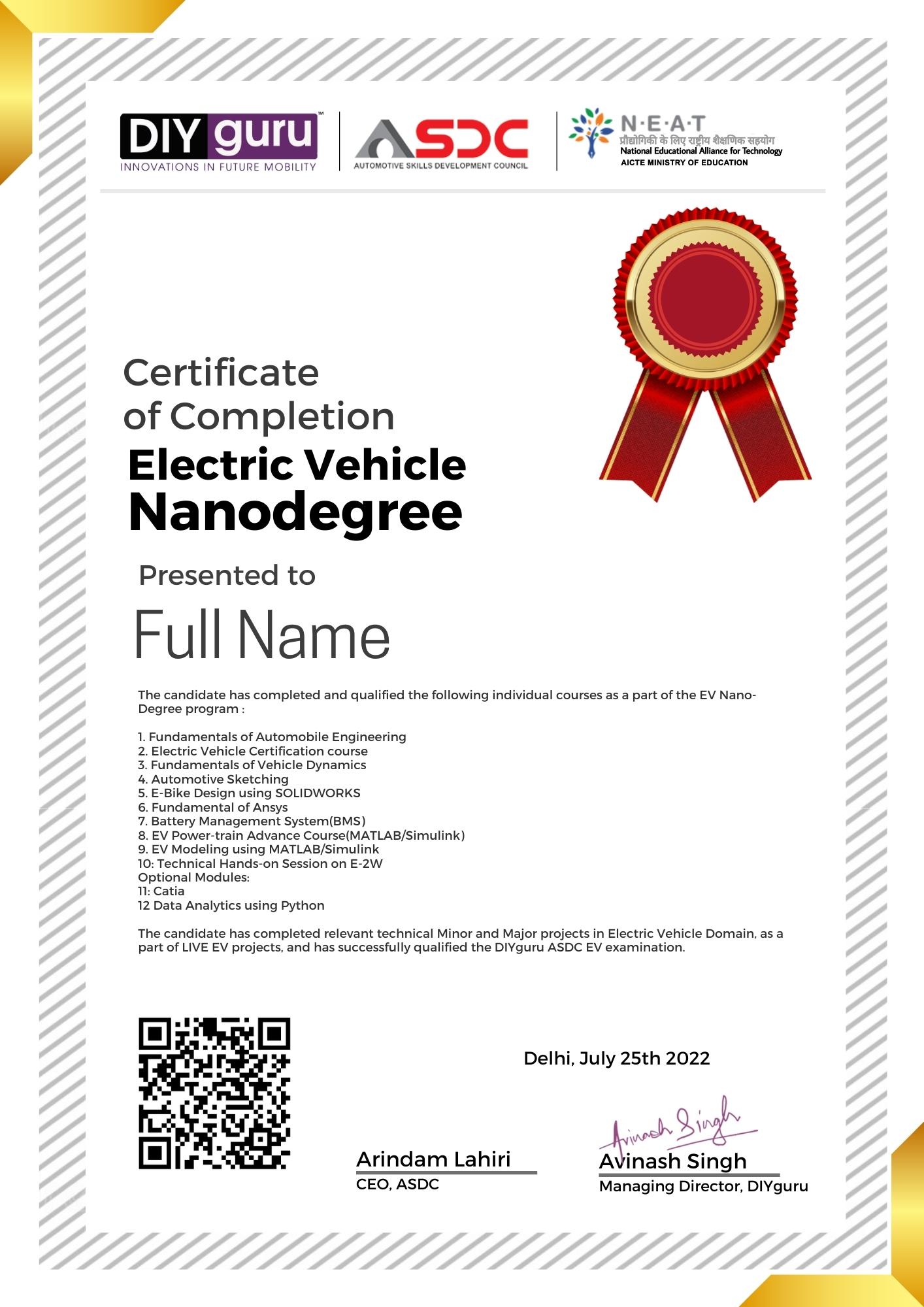
Complete all the modules successfully and receive a Certificate and Alumni Status. 

Join a vibrant community of Electric Vehicle professionals and become part of one of India’s top Future Mobility Upskilling Platform. 

  • Get the latest updates about the trends and techniques of Business and Career Opportunities in the EV Space for lifetime.

Our Learners Work At

Top EV companies from all around the world have recruited DIYguru alumni
Driving manpower for leading brands

HIRING COMPANIES

Recent Placements

DIYguru Alumni

Programme Fee

Rs. 1,18,000 (Inc. GST)

Standard EMI Plans Starting at ₹5,900.

Zest Money/Debit/Credit EMI*

Group Discount, Student Offer and Early Bird offer upto 40% are available.

Offline Hands on Training Center are available at DIYguru Center of Excellences in Delhi, Pune & Mumbai (India) and Nepal, Bangladesh, Malaysia (International Offices)

Frequently Asked Questions

PAYMENT

The total fees for the course start from 1,00,000 + taxes. You can avail of a 0% EMI option with a monthly instalment of ₹12,000 per month and a down payment of ₹15,500 to block your seat.

You will need to pay ₹15,500 to block your seat once you are shortlisted for the programme.

CAREER ASSISTANCE

Our host of industry partners will receive a detailed profile and programme performance reports of our students. Based on that, they will assess the most suitable candidates and extend job opportunities to the top performers.

This programme has been developed by understanding the hiring challenges and skill gaps faced in the EV Industry in India. This and the application filtering process before the start of the programmes are the two key reasons why a number of top companies are interested in offering exciting opportunities.

LAPTOP REQUIREMENTS

In the nanodegree program we are dealing with SolidWorks, Ansys and MATLAB, etc. which are moderate graphic demanding software. While looking for a laptop for the above application, kindly keep in mind the following specifications.
  • 1. At Least 8GB RAM
  • 2. 256 or above SSD
  • 3. 4GB Graphics Card
  • 4. 15 inch monitor
  • 5. sRGB above 80%

COURSE CURRICULUM

Post this programme, you will get a GlobalCertificate in Electric Vehicle Engineering from ASDC & DIYguru. Along with this, you will receive a comprehensive report of your skills and competencies relevant to Electric Vehicle derived from all your assignments. 

This programme will require 6-8 hours of engagement per week, which is flexible, for the duration of the programme (6 months).

This Certification Programmes from ASDC and DIYguru has trained aspiring professionals from across several cities in India and abroad. The mode of delivery is online + Offline. For one week of Hands on Training which is optional as many professionals are unable to attend the program physically you can attend our workshop centers in Delhi, Pune & Bangalore.


In line with our mission to develop extremely industry-relevant online programmes for working professionals, we have involved leading industry professionals at every stage of the programme development. These individuals have decades of experience powering Electric Vehicle Startups & OEMs and driving ROI across continents.

Our industry network has helped us develop and deliver most industry-relevant content and case projects.

Our programmes have a strong experiential component that would prepare you to apply your learning in the job. Learn – Experience – Apply.

Cases and industry projects will help you experience real-life challenges in Electric Vehicle Development. These will enable you to step into the shoes of leading Electric Vehicle OEM’s and companies and put to use the theoretical learning in an experiential manner.

Hear what our Alumni's has to say?

DIYguru Alumni Playlist

6 Videos

If you’re investing in a life-changing product such as an electric vehicle, it’s good to know exactly how it works. The technology behind electric and hybrid cars can be a bit baffling, but we think it’s worth understanding the details so you can drive away confident, knowing that you’ve made the right decision.

Essentially, an electric vehicle (EV) has a battery instead of a petrol tank, and an electric motor instead of an internal combustion engine. The electricity stored in its battery powers the electric motor. When too low, the car’s battery needs to be recharged by plugging it in to use grid electricity, like when your phone needs charging. Similarly, Plug-in hybrids (PHEVs) come with a plug socket and charging leads so that you can charge the battery via the mains. Although they have a smaller capacity, these models are able to run in electric-only mode for 20-30 miles.

An amazing perk of EVs is that they can be charged at home if you have a home charging unit installed, saving you the usual trips to the nearest petrol station or charging point. The thing that really swings most people when it comes to EVs is that they’re much cleaner, producing no tailpipe emissions whatsoever. 

Their green credentials are not the only thing that convinces people to go electric. A lot of EVs now offer really advanced technology that further reduces running costs and helps save you energy. ​

Lots of models, such as the Nissan Leaf, turn off the engine when stopped, and actually charge the battery when you brake – this is called ‘regenerative braking’. This technology is also seen in hybrid models and it helps to power the electric motor without needing to plug it in to charge so you can go further without using the petrol engine.

Pioneering manufacturers behind lots of cars stocked at Wilsons, such as Nissan, Renault and Tesla,

are constantly re-engineering and refining their batteries for bigger driving ranges.​

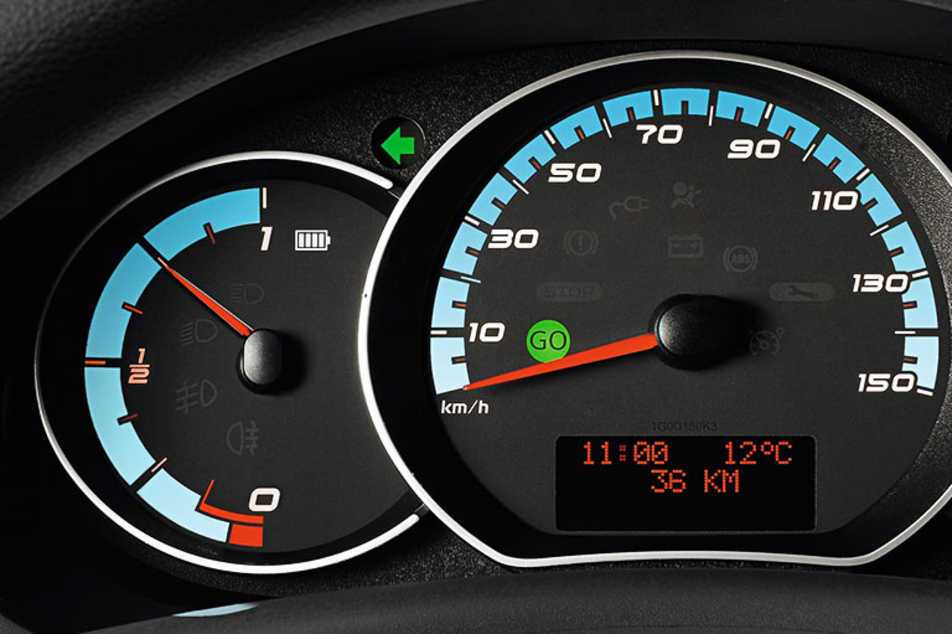
Electric Vehicle Dashboard Technology

In terms of control, you can pre-condition the car’s temperature, set the charge start and stop time, enjoy heated seats and steering-wheels, and even decide on a battery percentage so that your car knows exactly how much it needs to charge before you drive it.

But what about the driving experience? This is where a lot of EVs really come into their own. Not only does the technology behind an EV make for a really intuitive car, the electric motor also provides almost instant torque, making them quicker, lighter and ultimately more enjoyable to drive. They’re also quieter than traditional cars and able to accelerate extremely quickly, so you’re not going to be left behind at any traffic lights.

If this sounds like the kind of thing for you, browse our selection of EVs and hybrids on offer, or pop into our showroom to speak to one of our expert sales advisors. We’re open seven days a week and can easily book you in for a test drive or an alternatively-fueled car either on the phone or online.

How do EVs work?

Fundamentally, electric cars work in broadly the same way as ones powered by petrol, diesel or even hydrogen. There is a fuel source, a drive unit, and a gearbox to provide motion forwards and backwards. Above this there are passenger and luggage compartments.

Electric vehicles (EVs) are still cars, and anyone who has driven an automatic vehicle will feel immediately at home behind the wheel of one. 

There is a distinct lack of engine noise, of course, and the initial acceleration of EVs is often greater than that of an similarly sized internal combustion car. Or, in the case of the Tesla Model S P100D, EVs can literally be the quickest accelerating cars on sale todayIn some cases you will find parking is reduced or free (as is the case in some London boroughs to promote EV adoption), and there is also no London Congestion Charge or road tax.

In the US, federal tax incentives range from $2,500 to $7,500 for each EV purchased, but this offer will only last until each manufacturer has produced 200,000 electric vehicles. 

Tesla will reach that milestone in 2018, and from there the incentive value will gradually decrease. Unless the system changes, many of the 400,000-plus Model 3 reservations holders will receive no discount at all.

It is also worth remembering these are all measures to try and incentive EV ownership, so once EVs become the norm it is likely that these discounts will be adjusted or abolished.

Some public chargers are free, and so too is Tesla’s Supercharger network providing you own a qualifying car, or bought your car with a referral code from a fellow Tesla owner.

Toyota Mirai front

TYPES OF ELECTRIC VEHICLES: BEV, PHEV AND HEV

There are three main types of electric vehicles (EVs), classed by the degree that electricity is used as their energy source. BEVs, or battery electric vehicles, PHEVs of plug-in hybrid electric vehicles, and HEVs, or hybrid electric vehicles. Only BEVs are capable of charging on a level 3, DC fast charge.

Battery Electric Vehicles (BEV)

Battery Electric Vehicles, also called BEVs, and more frequently called EVs, are fully-electric vehicles with rechargeable batteries and no gasoline engine. Battery electric vehicles store electricity onboard with high-capacity battery packs. Their battery power is used to run the electric motor and all onboard electronics. BEVs do not emit any harmful emissions and hazards caused by traditional gasoline-powered vehicles. BEVs are charged by electricity from an external source. Electric Vehicle (EV) chargers are classified according to the speed with which they recharge an EVs battery.

The classifications are Level 1, Level 2, and Level 3 or DC fast charging. Level 1 EV charging uses a standard household (120v) outlet to plug into the electric vehicle and takes over 8 hours to charge an EV for approximately 75-80 miles. Level one charging is typically done at home or at your workplace. Level 1 chargers have the capability to charge most EVs on the market.

Level 2 charging requires a specialized station which provides power at 240v. Level 2 chargers are typically found at workplaces and public charging stations and will take about 4 hours to charge a battery to 75-80 miles of range.

Level 3 charging, DC fast charging, or simply fast charging is currently the fastest charging solution in the EV market. DC fast chargers are found at dedicated EV charging stations and charge a battery up to 90 miles range in approximately 30 minutes.

BEV Examples that can charge on DC Level 3 Fast Chargers

What about hybrids?


Hybrids come in several different configurations. First there is the regular hybrid, like older generations of Toyota Prius, which uses both a petrol engine and small electric motor. 

A hybrid car combines a conventional petrol or diesel engine with an electric motor and batteries. Although not as ‘green’ as fully electric cars, hybrids generally consume less fuel and produce less CO2 than conventionally powered cars.

The most common type is the parallel hybrid – sometimes known as a self-charging hybrid – and is found in cars such as the Toyota Prius. The engine is still the main power source, but the wheels can be powered in three different ways: either directly by the engine, by the electric motor alone, or by both working together. You never need to charge these hybrids. Most can run on electric power only for just a few miles at low speeds.

Hybrid Electric Vehicles (HEV)

HEVs are powered by both gasoline and electricity. The electric energy is generated by the car’s own braking system to recharge the battery. This is called ‘regenerative braking’, a process where the electric motor helps to slow the vehicle and uses some of the energy normally converted to heat by the brakes.

HEVs start off using the electric motor, then the gasoline engine cuts in as load or speed rises. The two motors are controlled by an internal computer, which ensures the best economy for the driving conditions.

HEV Examples

For: They’re really economical for stop-start city driving, because the electric motor gets the most use and the regenerative braking boosts the batteries whenever you decelerate or use the brakes.

Against: Fuel economy tends to nosedive out of town, because the batteries make the car heavy and the electric motor will soon run out of charge at higher speeds and under hard acceleration.

Toyota Prius front

The car charges its battery pack using brake regeneration, and can drive itself solely on battery power for short periods of time. 

You may well see Prius drivers set off from traffic lights in silent electric mode, but the engine will kick in when they accelerate more firmly. Hybrids like these cannot be plugged in to charge the battery.



2016 Volvo XC90 T8

Volvo XC90 T8 plug-in hybrid

Plug-in electric vehicles (PHEV) are becoming increasingly common and act as a half-way house between ICE and full electric. 

They can run like a regular hybrid, only topping up the battery when coasting and braking, but can also be plugged in to a public EV charger. 

These cars can often cover the daily commute without using their engine, and PHEV technology already appears on a wide range of vehicles, including the VW Golf GTE, Mini Countryman Hybrid and Range Rover P400e.


There’s still an internal combustion engine to maintain, but a nightly charge of the battery means you might not need to use it very often if your commute is short. For example, the Golf GTE and new Range Rover each have an electric range of 31 miles.

Potential lifestyle changes

Living with an EV requires some lifestyle changes. Because public chargers are owned and operated by a number of different companies, you will need to obtain a membership – and often a contactless membership card – for the ones you think you’ll need to use. 

It’s a frustrating situation and feels shortsighted – imaging not being able to buy petrol from BP because you only have a membership with Shell – but hopefully this will become simpler as EV adoption spreads.

Next you will need to work out how far your EV can go, and how factors like the temperature affect this. EVs lose charge more quickly in cold weather than in the summer, as the battery takes a longer time to warm up and, just like any lithium battery, is less efficient when the temperature falls.

Kia Soul EV

Kia Soul EV

Manufacturers all provide range claims for their EVs, just like they offer MPG figures with ICE cars – but your mileage will certainly vary. And because EV chargers are less common than petrol stations, you’ll need to put some effort into planning any unfamiliar journeys before setting off.

Also, because chargers are sometimes already in use, or broken, it’s worth having a contingency plan to keep the range anxiety at bay. 

Maps of public EV chargers are widely available, and the satellite navigation of some EVs – like the BMW i3 – can guide you to the nearest charger. 

Teslas all take into account the company’s Supercharger network whenever you use the sat-nav to get somewhere, and take charge time into account when working out your estimated time of arrival.

For now, owning an EV is only really possible if you have off-street parking at home and space to install a charger. This means those who live in town and city centers – and residents in apartment blocks – will likely be out of luck, unless you are happy to always use public chargers, or perhaps your office has one you can use.

In short, owning an EV requires more journey planning, and those journeys will take longer than with an ICE car when charging en route is required. But these drawbacks are slowly being eradicated, and will continue to fade as EV adoption grows. 

Once home chargers are more widely installed – and chargers are included in the car park of new apartment blocks – charging your car at night will become as instinctive as plugging in your phone.

What is a plug-in hybrid electric vehicle (PHEV)?

As the name implies, this type of hybrid can be plugged into an electric outlet to recharge its batteries, as well as being charged on the move. One of the most popular so far is the Mitsubishi Outlander PHEV.

In effect, it’s a halfway house between a parallel hybrid and a full electric vehicle. Although it has a conventional engine, it also has larger batteries than a parallel hybrid and can drive for longer distances and at much higher speeds on electric power alone – up to 30 miles and at least 70mph in some cases.

Plug-in Hybrid Electric Vehicles or PHEVs can recharge the battery through both regenerative braking and “plugging in” to an external source of electrical power. While “standard” hybrids can (at low speed) go about 1-2 miles before the gasoline engine turns on, PHEV models can go anywhere from 10-40 miles before their gas engines provide assistance.

PHEV Examples

  • Chevy Volt
  • Chrysler Pacifica
  • Ford C-Max Energi
  • Ford Fusion Energi
  • Mercedes C350e
  • Mercedes S550e
  • Mercedes GLE550e
  • Mini Cooper SE Countryman
  • Audi A3 E-Tron
  • BMW 330e
  • BMW i8
  • BMW X5 xdrive40e
  • Fiat 500e
  • Hyundai Sonata
  • Kia Optima
  • Porsche Cayenne S E-Hybrid
  • Porsche Panamera S E-hybrid
  • Toyota Prius
  • Volvo XC90 T8

For: Has a longer range than an electric car; cheap to use for short, urban journeys that don’t deplete the batteries.

Against: Batteries add weight, making fuel economy poor on motorway runs once the batteries are depleted; need to recharge batteries more often than a pure EV, which will have a longer range; need to plug in to properly charge, unlike parallel hybrids.

Mitsubishi Outlander PHEV


What is a range extender?

These cars run on electricity but have a small petrol or diesel engine that is used to produce electricity to recharge the batteries and extend the car’s range; it never powers the wheels. The aim of range extenders such as the BMW i3 REX (there’s also a fully electric version) is to provide an extra 70 to 100 miles of range once the batteries have been depleted, giving extra flexibility between charges.

For: Better than a parallel hybrid for longer, out-of-town journeys, because it drives on electricity only; no range anxiety, thanks to the engine.

Against: Extra weight of engine means the car isn’t very economical when it’s generating power, so the overall range will be less than that of a comparable regular electric car.

BMW i3 front


What is a hydrogen fuel cell vehicle?

These cars mix hydrogen with oxygen in a fuel cell to produce electricity. They’re rare – the Toyota Mirai being one of the few you can buy – because they’re expensive and there are fewer than 20 public hydrogen refuelling stations in the UK.


Hydrogen-powered cars take less than five minutes to fill up, have a greater range than battery-electric cars and only emit water from their exhausts.

They are therefore seen by some people as the best longterm solution to emissions-free driving. However, the processes used to generate and transport hydrogen make them less ec0-friendly overall than conventional electric cars at present.

For: Quick refuelling time; range between fill-ups is far closer to that of a petrol or diesel car, zero tailpipe emissions.

Against: Infrastructure is in its infancy; high CO2 emissions from current production process; technology is very expensive.

Electric car battery guide

Everything you wanted to know about electric car batteries but were afraid to ask…

Jaguar I-Pace battery sled

What are the pros and cons of buying and leasing EV batteries? 

Nissan and Renault initially only sold their EVs with the option of leasing the car’s batteries rather than buying them to keep the price of their EVs down. If the battery is leased, and its capacity drops below 75% of its original rate, it will be replaced for free. 

Nissan dropped the lease option in 2017 when it introduced the facelifted Leaf and Renault now also offers the Zoe with batteries included in the price. 


However, if you’re looking for a used EV, the majority of cars are likely to have leased batteries. Rather than leasing the batteries on a second-hand purchase, it’s possible to buy the battery outright with the car – we’ve seen reports of people buying four-year-old cars and paying around £3500 extra to buy the battery, too. 

The cost of leasing the batteries for a new EV varies depending on how many miles the car is going to do. A driver doing 6000 miles a year in a new Renault Zoe ZE 40 will pay £59 a month to lease the batteries; this rises to £99 a month for a car doing 10,500 miles a year. Excess mileage is charged at 8p per mile, and the lease periods are generally three years, the same as most PCP new car buying deals. 

The lifespan of the battery pack depends on how much it’s charged. You can extend the life of the batteries by only charging them up to 80% and trying not to let them drop below 50% too often. 

Different car makers provide different lengths of warranty for their cars’ batteries. Nissan and Toyota’s last for eight years or 100,000 miles and Renault’s is for five years or 60,000 miles.  


What are kilowatt hours? 

An electrified car’s battery capacity is measured in kilowatt hours (kWh). As an example, the Tesla Model S 75D has a 75kWh battery. It has a real-world range of around 230 miles, meaning you use (on average) 32.6kWh of electricity per hundred miles.


What are ampere hours? 

Occasionally, batteries are quoted in ampere hours (Ah). The latest version of the BMW i3 has a capacity of 120Ah, which is equivalent to 42kWh.


What are EV batteries made from? 

Most electric and hybrid car batteries are made from lithium ion, and work in the same way as batteries in household appliances, mobile phones and laptops. Their capacity will decline over time, but not massively; 80% of the original capacity after eight years of daily use is expected. There are concerns about the longterm sustainability of sourcing materials for these batteries.


What are solid state batteries? 

The next big step appears to be a move to solid-state batteries; BMW, Toyota and Volkswagen, among others, are aiming for a start to mass production in the mid-2020s. Solid-state batteries have the potential to deliver shorter charging times and greater ranges than lithium ion ones, while being smaller and potentially cheaper. They would also last for longer and be safer. A range of 500 miles could be achievable

How long do electric car batteries last for?

Keeping your electric car’s battery in top condition could prolong its life; here’s everything you need to know…

Jaguar I-Pace battery sled

Battery life is one of the biggest worries potential buyers have when considering an electric car. Along with range – and the fear of running out of power mid-journey, known as range anxiety – the way an electric car’s battery might degrade over time is considered a big barrier to EV ownership.

Like any battery, including the one in your mobile phone or laptop, the batteries in electric cars will lose some of their capacity over extended use. Below, we’ve explained why this happens and offered advice on how you can keep your electric car battery in top condition for longer.

Honda E charging

Why does an electric car battery lose charge?


Almost all the batteries in electric cars are of the lithium ion variety. These batteries undergo ‘cycles’ of discharge (when you’re driving your car) and charge (when you plug your car in), and over time those cycles take a toll in terms of how much charge the battery can hold – and therefore, how far your electric car can travel before needing to be recharged.

How can I care for my car’s battery?

As counter-intuitive as it might sound, keeping your electric car fully charged can actually damage its battery, because of the heat generated during recharging. That’s why some electric cars can stop charging when they reach capacity, while others – such as the Tesla Model S luxury saloon – allow you to charge the car to a certain percentage before stopping, helping to preserve the battery.

Overcharging can also cause chemical changes inside the battery itself, which again could negatively affect how efficiently it can store energy.

Equally, discharging an electric car battery to empty isn’t a good idea. Most lithium-ion batteries perform at their best when they’re at between 50% and 80% of capacity. Charging the last 20% of a battery also takes longer than the first 80%, and that’s why when you’re reading about rapid charging of the kind you might do at a motorway service station, you’ll regularly see figures quoting how fast it takes to charge an electric car to 80% of capacity.

Another factor is temperature. Extreme cold or heat can negatively affect your car’s battery and therefore the range you can travel. In a test of the Nissan Leaf in cold conditions, for example, we managed 108 miles – substantially less than in warmer temperatures.

Renault Zoe

Electric car battery warranties

Car makers are well aware that potential buyers are concerned about the longevity of their car’s batteries, and many offer warranties tailored for EV owners. On the Leaf, for example, Nissan offers a warranty covering the battery and electric motor for up to five years or 60,000 miles.

Elsewhere, Renault’s warranty covers the Zoe electric hatchback for up to 100,000 miles or three years, while Tesla offers an eight-year warranty on the Model S that’s not subject to any mileage and can be transferred between owners.

Electric car reliability

According to the latest results from our Reliability Survey, the Nissan Leaf is the most reliable electric car, with a score of 99.7% – with the few complaints we received being about the car’s bodywork, rather than its battery. At the other end of the scale is the Tesla Model S, with a score of 50.9%. Most of those faults were to do with its electrical systems and bodywork, however; just 4% of the complaints we received related to its battery.

It’s also worth noting that there are cases where an electric car battery has long since surpassed expectations. In 2015, for example, Nissan reported the case of a Leaf that was bought in 2013 to be used as a taxi around Cornwall. The car had covered more than 100,000 miles without losing any of its battery life.

Electric car charging guide

Everything you wanted to know about electric car charging, but were afraid to ask…

Nissan Leaf charging

You can charge an electric car or plug-in hybrid through a mains three-pin socket, a specially fitted home wallbox, or at a public charging station on the road or at your destination:

Wallbox or home charger

If you own or lease an electric car, you can get a home charging station installed. These come in either slow 3kW or faster 7kW and 22kW forms. For the Nissan Leaf, the 3kW wallbox will give a full charge in six to eight hours, while the 7kW unit reduces the time to three to four hours.


Public chargers

There are currently about 17,000 public charging points in the UK, and this number is growing all the time. As of this year, it is a legal requirement for all large petrol stations and motorway services to provide charging points. They are usually fast or rapid chargers.

Ecotricity, which provides charging points at all motorway services in the UK, charges about £6 for a 45-minute recharge with a rapid charger. In a Nissan Leaf, this should fill up the battery to 80% of its full range.

BMW i8 charging

slow charger usually means a domestic three-pin plug (up to 3kW), and would take more than 12 hours to fully charge an electric car. A fast charger, typically found at a workplace or public location, will take the ‘Type 2’ seven-pin plug attached to the charging cable in your car and will have an output of 3.6kW, 7kW, 11kW or 22kW. Depending on the charger’s power and what your car can accept, a charge will generally take between one and six hours.

Rapid chargers, also called quick chargers, will have a plug of their own that attaches to your car, and can charge in an hour or less. While lesser chargers all output AC electricity, most rapid chargers give DC.

AC rapid chargers have an output of 43kW, while DC rapid chargers have an output of 20kW-50kW, although installation of 150kW and 175kW chargers has begun in the UK. These can recharge the latest electric cars in just 45 minutes.

Tesla has a network of its own ‘Superchargers’. In the UK, these are capable of dispensing 145kW, although the firm’s current cars can only accept up to 120kW.

Tesla Model S at supercharger

In Europe, a consortium of major car manufacturers has begun installation of 350kWcapable chargers. These could result in EVs being charged in as little as five minutes.

The National Grid conducted a study into installing 100 of these across England and Wales and found that this would put 90% of drivers within 50 miles of such a charger. The chargers would be wired directly into the electricity transmission network, rather than local grids, dispelling concerns about power shortages.


80% charge

You might wonder why manufacturers and the press often quote a charging time to 80%, rather than 100%. This is firstly because not fully charging each time extends the life of the battery, and secondly because the last 20% takes longer to complete relative to the first 80%.


Getting a charger installed

The average cost of installing a home charging point is £1000. However, EV owners can get a £500 government grant towards the cost of this, and a further £300 from the Energy Saving Trust (EST), significantly reducing the cost.

Nissan Leaf home charging

It’s worth noting that you need to own or lease an EV to qualify for the grants; you won’t get one if you simply use one every now and then or haven’t bought an EV yet. The same government grant can be claimed by businesses for installation at places of work.


What’s the cost of charging?

While 80% of EVs are charged at home by owners, the public charging network is growing, and with it the difference in how much you’ll pay to charge depending on which provider you pick.

You’ll need to sign up with a public charging company before you can use its chargers. Most let you join for free, but some charge an initial fee.

We recommend opting for one that shows its tariffs in kWh rather than cost per minute, because it’s easier to work out how much a recharge will be if you have the kWh cost.

Volkswagen e-Golf front

Example: Volkswagen e-Golf

  • Battery capacity35.8kWh
  • Official range144 miles (WLTP)
  • Real Range117 miles
  • Cost to charge at home at standard rate(14p per kWh) £5.01
  • Cost to charge at home at discounted rate(7p per kWh) £2.50
  • Cost to charge at public fast charger(30p per kWh) £10.74
  • Cost to charge at public rapid charger(35p per kWh) £12.53

Types of electric car plug

From Type 1 to CCS, we take a look at the different electric car plugs and how common they are…

Electric car charging point

There are several types of electric car charging plugs, because an industry standard hasn’t been agreed upon. Some cars also feature more than one port: one for slow and fast charging and another for rapid charging.

Type 1

Type 1 electric car plug

This five-pin plug is unusual, although it can be specified in some cars, such as the Mitsubishi Outlander PHEV. You can get a cable that allows you to plug into a Type 2 charger with a Type 1 cable.


Type 2

Type 2 electric car plug

This seven-pin plug, also known as the Mennekes after the company that invented it, is the most common in electrified cars. Teslas use this plug, enabling them to charge at regular charging points as well as bespoke Superchargers.


CCS

CCS electric car plug

Standing for Combined Charging System, CCS is a five-pin plug developed by the major German car manufacturers, so it can be found in cars such as the BMW i3 and Volkswagen e-Golf. CCS is less common than Type 2 in the UK but is by no means rare.


Chademo

Chademo electric car plug

Short for ‘Charge de Move’, the Chademo is a 10- pin plug developed by a consortium of Japanese car manufacturers and is one of the two used by the Nissan Leaf. It is the most common rapid charging plug in the UK.

[gravityform id=”30″ title=”false” description=”false”]